



Outdoor activities around Eger and Noszvaj
Fairy trails, cave dwellings, open farms, horse riding, popular cycling and hiking routes, and countless experiences in and around Noszvaj.
Fairy Trail (Meseút)
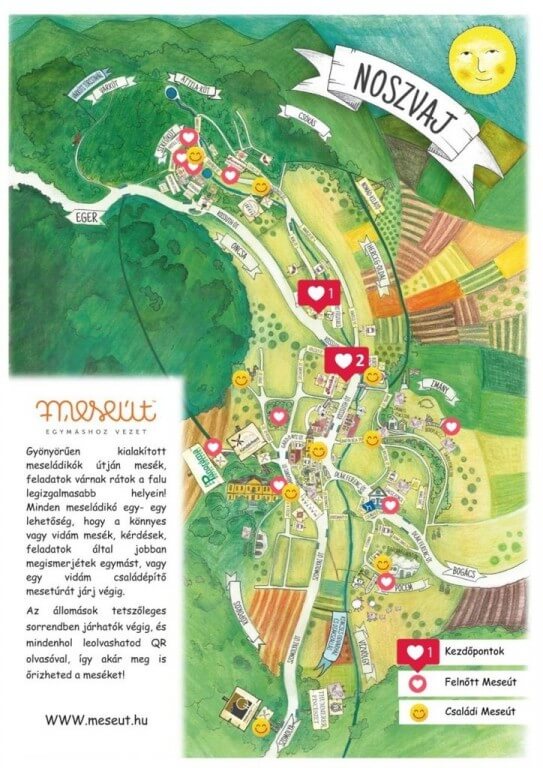
The Noszvaj Fairy Trail is a unique, self-guided family programme that can be enjoyed independently. Its theme was carefully created using elements of fairy-tale therapy, making it a playful, entertaining and adventurous experience for children and adults alike — all year round.
Ten beautifully handcrafted and individually painted little houses, along with a brand-new fairy well, each hide a traditional folk tale. Inside the houses, in addition to the stories and interactive elements (such as storybooks and a gift exchange point), visitors will also find playful tasks and conversation-starter questions connected to the tales. We hope that this unconventional nature trail offers not only meaningful and joyful family time or friendly gatherings, but also the opportunity for an inner journey — helping you get to know yourself and your companions better.
The fairy houses can be visited throughout the year, every day of the week, while exploring the most beautiful spots of the village.
In addition, the Romantic & Playful Fairy Trail is available exclusively for adults. Along beautifully designed fairy chests, cheeky and romantic tales and tasks await you at the most romantic locations in the village. Each fairy chest is an opportunity to deepen your connection with your partner through emotional or cheerful stories and challenges, or to enjoy a fun team-building fairy walk with friends.
Starting point: Harmónia Confectionery or Rozika Confectionery.
These locations serve as both the starting and finishing points of the Fairy Trail, where the fairy map can also be purchased. After completing all tasks at each station, you will receive your Fairy Certificate here.
Once you have finished the trail, please return the key here as well.
The adult and children’s Fairy Trails can be completed in parallel, making it an ideal programme for families with mixed age groups.
Cave Dwellings – Pocem and Farkaskő Artists’ Colony
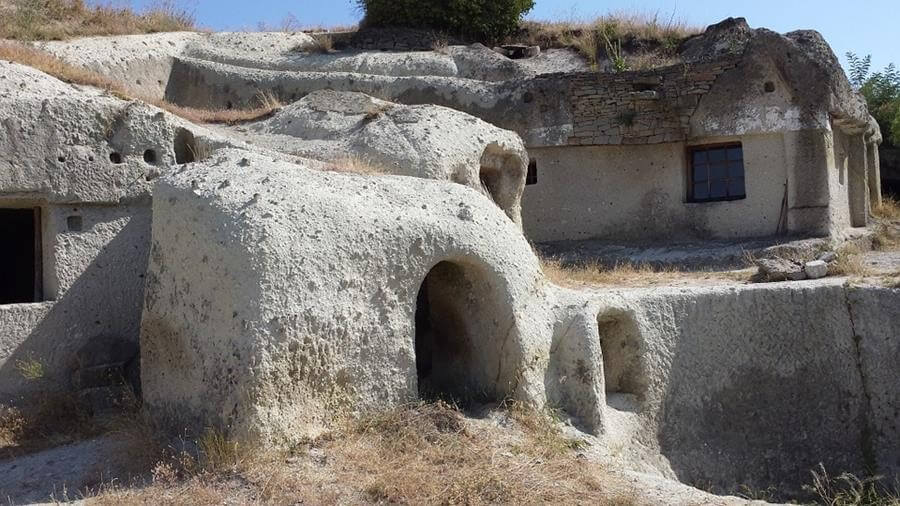
Cave and cellar dwellings began to develop in Noszvaj in the early 19th century. Along the Bükkalja region, stretching from Eger to Miskolc, the easily workable rhyolite tuff made it possible to create simple and affordable housing, a necessity driven by widespread poverty at the time. Today, with very few exceptions, these cave dwellings are no longer inhabited. Many of those located in the southeastern part of the village, in the area known as “Pocem,” now function as an artists’ colony.
Visiting hours: 10:00–18:00
Group visits by prior arrangement: +36 31 781 2855
Farkaskő – Open Farm
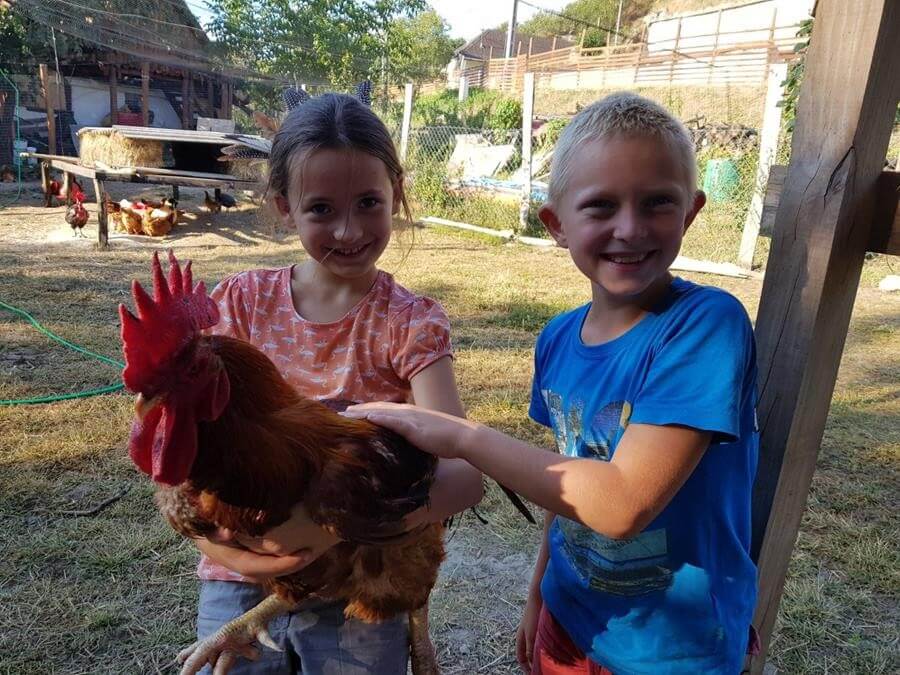
The farm and guesthouse operate on nearly 1.5 hectares, where sheep with lambs, goats with kids, pigeons, geese, chickens, rabbits, quails and pheasants welcome families, couples and curious visitors of all ages. A visit to the farm includes enjoying a hearty homemade soup, a one-pot meal or a dessert.
Please always arrange your visit in advance by phone:
Eszter Fülöp +36 30 645 4048
Horse Riding
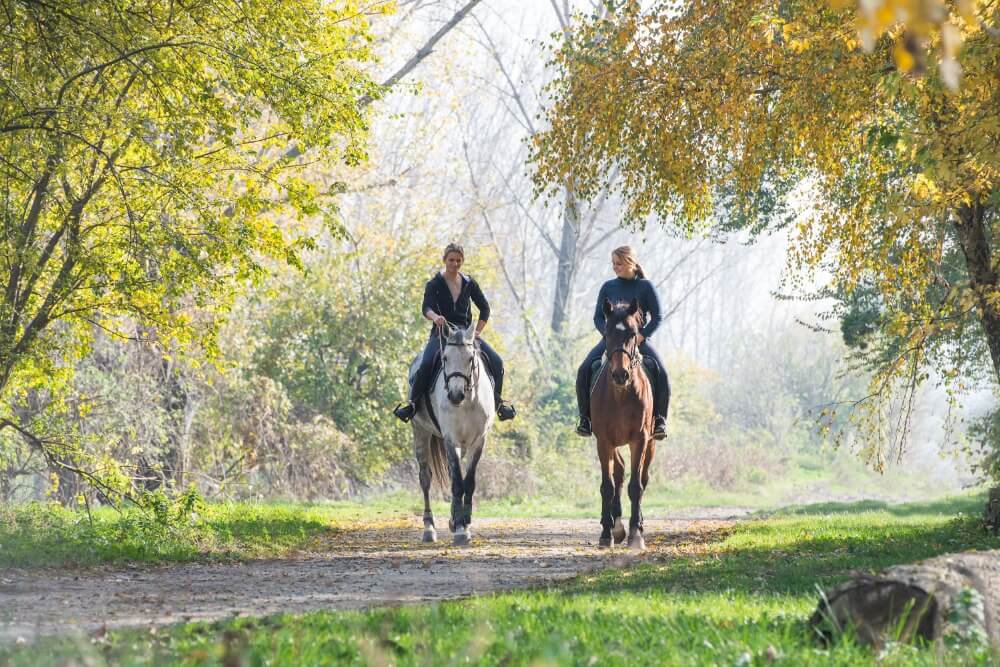
Numerous unforgettable outdoor experiences await visitors around Eger and Noszvaj. At the nearby Thummerer Winery, in addition to tasting excellent, award-winning wines, popular horse-riding programmes are also available. Riding through the beautiful landscapes of this village, surrounded by crystal-clear air, is a fantastic experience for both children and adults. Our reception team will be happy to organise the programme for you! Even better if you let us know at the time of booking whether you would like to go horse riding or visit the petting zoo with the children, where they can meet rabbits, lambs, goats and other friendly animals.
Cycling tours
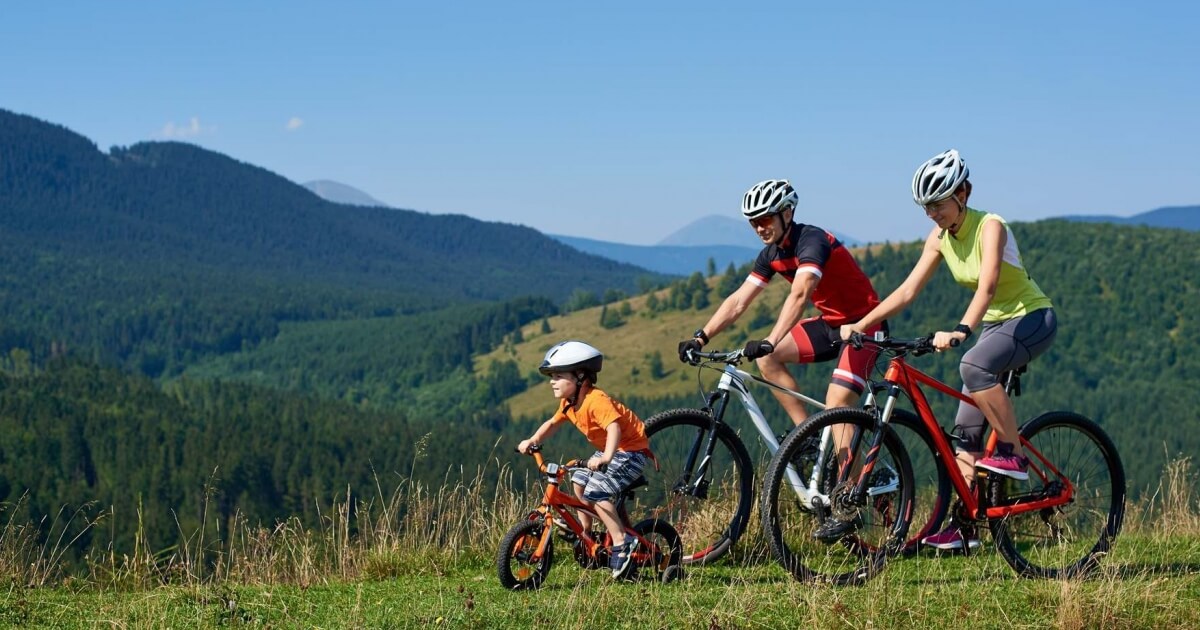
Outdoor activities around Eger are simply unmissable – the crystal-clear air and fairytale-like landscapes of Noszvaj invite visitors to explore. We have often waved with a smile at laughing families setting off from our hotel for a joyful bike ride! Outdoor attractions around Eger and Noszvaj can also be discovered by bicycle, as visitors will find countless excellent routes even nearby.
Warm-up cycling with young children
The distance from the lakes of Síkfőkút to the Gazdaház (Farmhouse) is approximately 2 kilometres by bike. Children can easily manage this route, and it is well worth cycling back too – perhaps finishing with a delicious ice cream and relaxing on a blanket spread on the grass while enjoying the beautiful scenery and the cheerful song of birds. A truly soul-refreshing experience!
“Adventure in the past” cycling tour
If you enjoy discovering the remarkable relics of bygone eras, this is a perfect opportunity for a sporty adventure! Cycle to the beehive stones of Szomolya, and on the way back visit the Noszvaj Cave Dwellings as well. These former homes of poor villagers are now occupied by artists and operate as an artists’ colony. This cycling tour of just over 10 kilometres promises an experience-filled excursion.
Discovering Noszvaj
Short village walk: During this easy village walk – also suitable for strollers – you can visit all the well-known sights of Noszvaj by following this route: starting from the church – De la Motte Castle – Granary – Pocem – Gazdaház (Farmhouse) – blacksmith’s workshop – basket weaver. The route is 2 kilometres long and is highly recommended for a pleasant spring morning.
A longer walk is also possible in the village: if you include the Imány Hill and Síkfőkút in your route. This walk also starts at the church (De la Motte Castle – Granary – Gazdaház – Pocem – Imány Hill – blacksmith’s workshop – basket weaver – Síkfőkút) and is truly longer: 5 km in total, taking approximately 3 hours at a relaxed pace. This way, you can explore the entire village. It is an easy walk with only one minor challenge – the climb up Imány Hill (approx. 150 m) – but the beautiful panoramic view makes it well worth the effort.
Village bypass hike 1
Route: Primary school – Imány Hill – along Herceg-dűlő – Westel Tower – Síkfőkút, Tórét – Rákóczi Street – Kurta Tavern. Distance: 7 km, duration: approx. 2 hours. This route goes around the village from the north, offering elevated views over Noszvaj.
Village bypass hike 2
Route: Primary school – Panoráma Hotel – Kádár Road – Síkfőkút – spring – Béke Road – Kossuth Road. Distance: 7 km, duration: approx. 2 hours. This walk circles the village from the south and is an easy stroll. Suitable with a stroller up to the Síkfőkút junction; from there, it is recommended to return to the village via Kossuth Road (approx. 4 km).
Excursion Highlights
Síkfőkút
Located north of Noszvaj, Síkfőkút lies in the picturesque valley of the Kánya Stream, surrounded by forests and hills. The area consists of naturally formed and later artificially created lakes, the Saint Imre Spring and the nearby tourist lodge – this is the original Síkfőkút. The touristic and recreational development of the area began in the 1930s at the initiative of the Eger Tourist Association, whose members carefully developed and named all the springs and their surroundings along the Kánya Stream. One such example is the Attila Spring near Síkfőkút, which was transformed into a forest rest area.
From the 1930s onwards, Síkfőkút and its surroundings became a popular excursion destination for the residents of Eger. During this period, the tourist lodge was built, which has since undergone several renovations, and the current shape of the upper lake was also created. By today, Noszvaj and Síkfőkút have grown together, with hundreds of holiday homes and company resorts established in the area. In summer, the upper lake invites visitors to go boating and pedal boating, the lower lake is ideal for fishing, while the lakeside meadow is perfect for picnics. Research findings also confirm that Noszvaj–Síkfőkút is one of the areas with the cleanest air in Hungary.
Várkút
From Síkfőkút, following the green hiking trail leads to the Attila Spring and then to Várkút, located at the foot of the 669-metre-high Vár Hill. Várkút is the first and highest-altitude spring of the Kánya Stream’s source area. Its history dates back to ancient times, as an earthen fortress once stood here. Várkút and its surroundings are among the most beautiful hiking destinations in the wild Bükk Mountains. During walks and forest hikes, visitors may even be rewarded with sightings of roe deer and red deer.
Beehive Stones (Kaptárkövek)
Among the various formations of rhyolite tuff, the most remarkable are the cone-shaped formations resembling hoods. Some of these feature niches carved by human hands. Their origin has been explained in several ways: some believe they served cultic purposes, others see them as sacrificial or idol-holding niches, but the most widely accepted theory suggests they were used for beekeeping.
Imány Hill
Imány Hill rises in the heart of the village and can be reached by an easy walk starting from Bartók Béla Street, opposite the Reformed Church. From the top, visitors can enjoy a unique panoramic view of Noszvaj.
De la Motte Castle Park
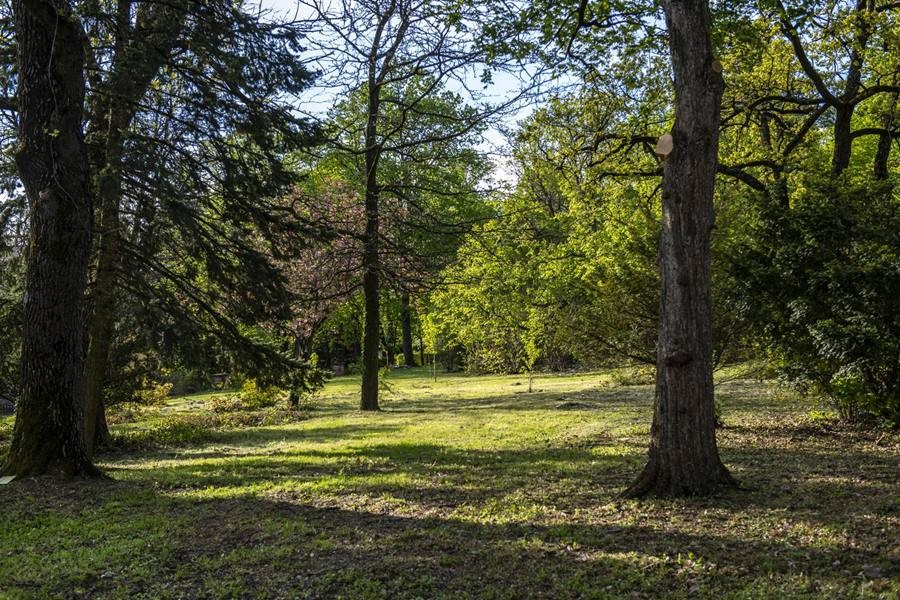
The park enclosed by stone walls was originally designed in the style of English landscape gardens. It is home to a wide variety of special trees and ornamental shrubs, ranging from yews and columnar oaks to rare acacias and magnolia trees.
Hiking Recommendations around Eger and Noszvaj
Salamander Nature Trail – Dédestapolcsány
The idea of creating this educational trail had long existed in the region. Through the joint efforts of educators, nature conservation experts and foresters, the Salamander Nature Trail was completed after two years of dedicated work and officially opened in spring 2002. The stations are marked by information boards featuring salamanders, while the route is indicated by black-and-yellow trail markers. An informative leaflet describing the sights can be obtained at the Tourinform Office in Dédestapolcsány. The trail is 6 km long and can be completed in approximately 4 hours at a comfortable walking pace. The path initially runs through flat terrain, then continues along forest roads following the guidance of the information boards. The ascent is gradual, with a total elevation gain of about 200 meters. Many protected animal species live here, so if you move quietly through the forest, you may spot them in their natural habitat. Along the way, five rest areas are available with benches and fire pits (open fires are prohibited during fire bans). Before reaching the final station, the trail intersects with the National Blue Hiking Trail.
Szalajka Valley Nature Trail
The Szalajka Valley in Szilvásvárad is one of the most visited areas of the Bükk Mountains. Along the 4.2 km-long walking and hiking route following the Szalajka Stream, stations introduce visitors to the natural and cultural treasures of the Bükk region. Information boards provide insight into the establishment and purpose of the Bükk National Park, karst springs and watercourses, the valley’s wildlife, the Rock Spring, the formation of the limestone dams of the Fátyol Waterfall, the water yield of the Szalajka Spring, and the archaeological finds of Istállóskő Cave. Visitors can also learn about the history of the Szilvásvárad State Forest Railway, visit the Forestry Museum, and explore the Open-Air Forest Museum opened in 1974 at the mouth of the Horotna Valley. The forest narrow-gauge railway offers an additional experience, departing from Szilvásvárad, passing the trout farm, and reaching the Gloriette forest clearing near the Fátyol Waterfall.
Bélkő Nature Trail
This 5 km-long nature trail consists of seven stations and can be completed in 1.5–2.5 hours. The trail starts at the Cistercian Abbey and ends at the viewpoint on the remaining 815-meter-high peak of Bélkő. From here, hikers can continue along the yellow triangle-marked trail towards the Bükk Plateau, Szilvásvárad, Felsőtárkány, Szarvaskő, or return to Bélapátfalva via the Katonasírok and Lak Valley Lake in about one hour. Along the trail, diverse rock outcrops and formations offer insight into the geological history, structure and surface development of the Bükk Mountains. Visitors can also discover rare and protected plant species, plant communities, wildlife, and the cultural history of the Bélkő area.
Tisza Lake National Park
Tisza Lake is Hungary’s second-largest lake, located in the northern part of the Great Plain. Covering 127 km², it features countless islands, backwaters and shallow channels alternating with vast open water surfaces, creating a characteristic mosaic landscape. Tisza Lake is the fourth demonstration area of Hortobágy National Park and has been part of the UNESCO World Heritage since 1999.
Recreation at Tisza Lake is just as diverse as the landscape itself. In addition to nature walks, visitors can enjoy everything from peaceful swimming to various water sports. Along the shore, six public beaches and thermal baths in Tiszafüred offer relaxation, while the Abádszalók area is known for extreme water sports, vibrant nightlife and entertainment venues. The waters of varying depths are home to native fish species, and fishing is permitted in accordance with regulations. The lake’s unique wetland world invites adventurous exploration, offering different leisure opportunities in every season. Routes can be explored on foot, by bicycle, horseback, or by boat throughout the year.
The area of Tisza Lake can be divided into three main parts:
Tisza Lake Bird Reserve
An important resting site for migratory birds in Europe. This protected area can only be visited with a guide.
Aranyosi Bend, Sarud Basin, Small Tisza
Excursions can be organized through the Tisza Lake Tour Center Network, with boats and bicycles available for rent. Along the way, visitors are welcomed by friendly harbors, guesthouses and inns. Birdwatching spots accessible by boat have been established near nesting areas on smaller islands, allowing close observation of birdlife during water tours.
Sarud Basin, Abádszalók Bay, Tiszafüred Basin
This non-protected area is the realm of water sports. It is the only designated area in Europe on a natural lake where motorized water sports are permitted.
Tisza Lake Ecocentre
The summer season at the Ecocentre starts on April 3! The popular “Raft Lake” water playground is open, the Poroszló Folk House welcomes visitors in the Ecocentre’s leisure park, and with the spring water replenishment of Tisza Lake, GPS-guided boat tours and small-vessel excursions begin to explore the lake’s fascinating aquatic world. All three entrances and ticket offices of the Ecocentre operate with extended opening hours from 9:00 to 18:00 (ticket offices close at 17:00). Cyclists can also join shorter or longer GPS-guided bike tours during the summer season with prior registration via ttocbringa@gmail.com. A visit to Tisza Lake and Poroszló is highly recommended in your leisure time!
Bükk National Park
Bükk National Park is Hungary’s largest mountainous and forested national park, located in the Northern Mountain Range. Its diverse landscape is home to an exceptionally rich flora and fauna. A total of 853 caves have been discovered in the Bükk Mountains, including significant archaeological sites, most notably caves inhabited by prehistoric humans.
The most uniform part of the range is the Bükk Plateau, averaging 800 meters in elevation. The Bükk hosts Hungary’s only true sinkhole doline and the highest number of swallow holes and swallow-hole caves. The country’s deepest cave, the 250-meter-deep István-lápai Cave, along with the Szepesi Cave and the publicly accessible István Cave in Lillafüred, belongs to the most beautiful stalactite cave systems.
Unique highlights of the Bükk include limestone tufa formations deposited by karst springs, forming natural dams and small cascading waterfalls. Famous examples include the Szalajka Stream, the Fátyol Waterfall, the travertine hill of the Szinva Stream, and the Anna Cave in Lillafüred formed within a travertine-enclosed cavity. Beautiful travertine deposits can also be found in the Szentlélek and Sebesvíz valleys and near the Harica Springs. A distinctive landscape feature is the castle hill of Szarvaskő, where underwater volcanic activity left behind remarkable pillow lava formations. Along the southern edge of the Bükk, unique rhyolite cones known as beehive stones (kaptárkövek) represent important geological and cultural heritage. The Bükk National Park is also rich in archaeological sites, including caves inhabited by early humans, with the oldest finds discovered in the Lambrecht Kálmán Cave, dating back approximately 100,000 years.